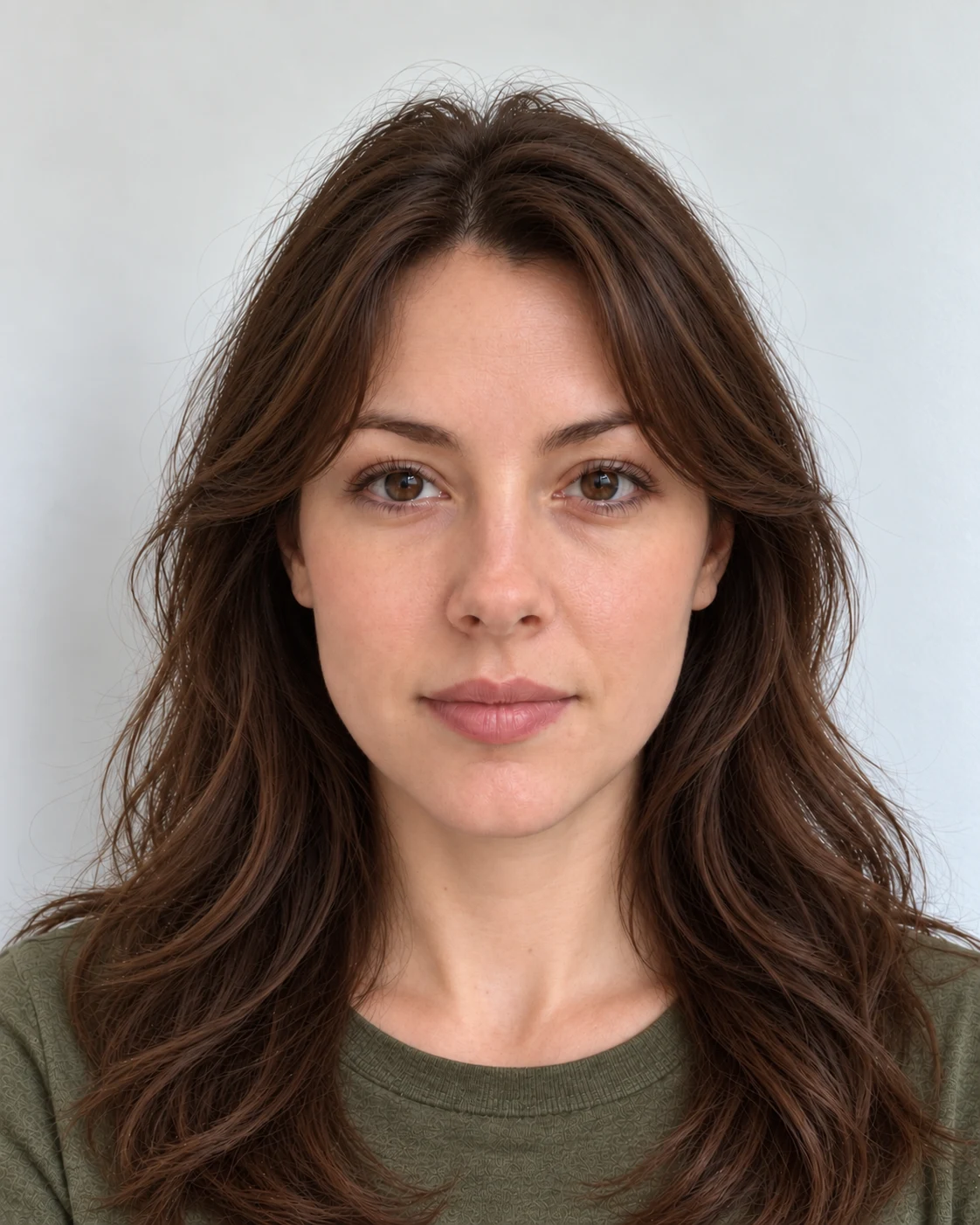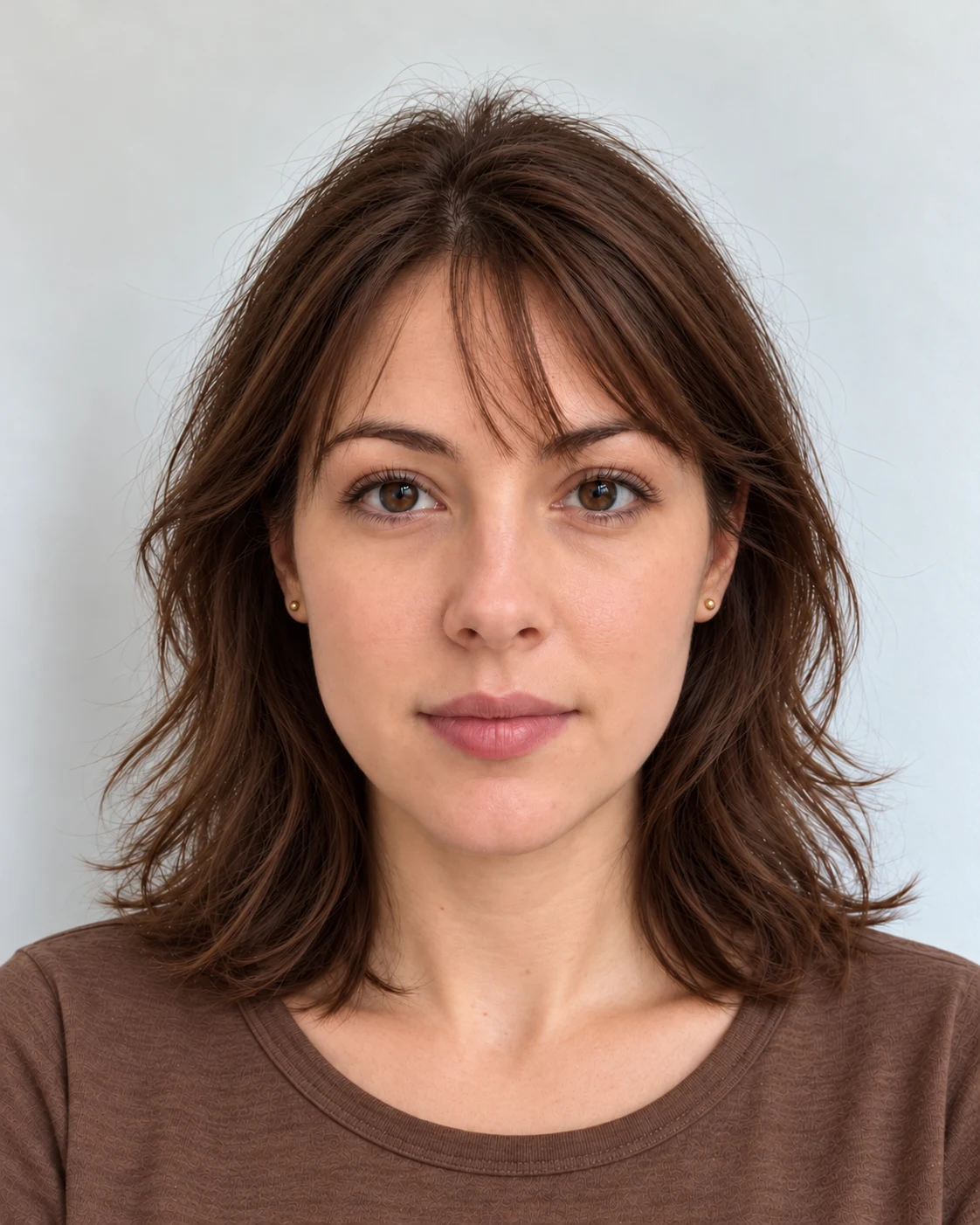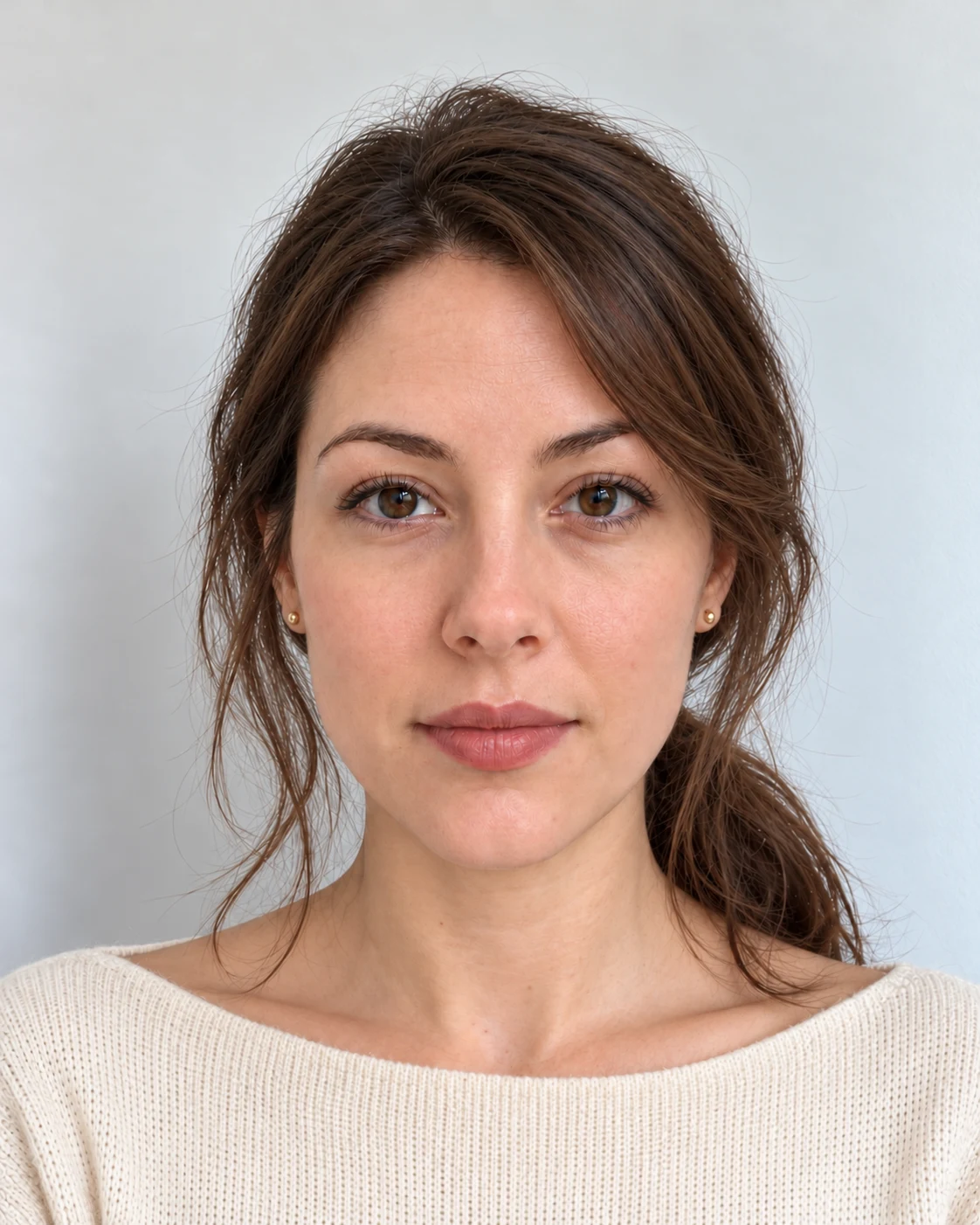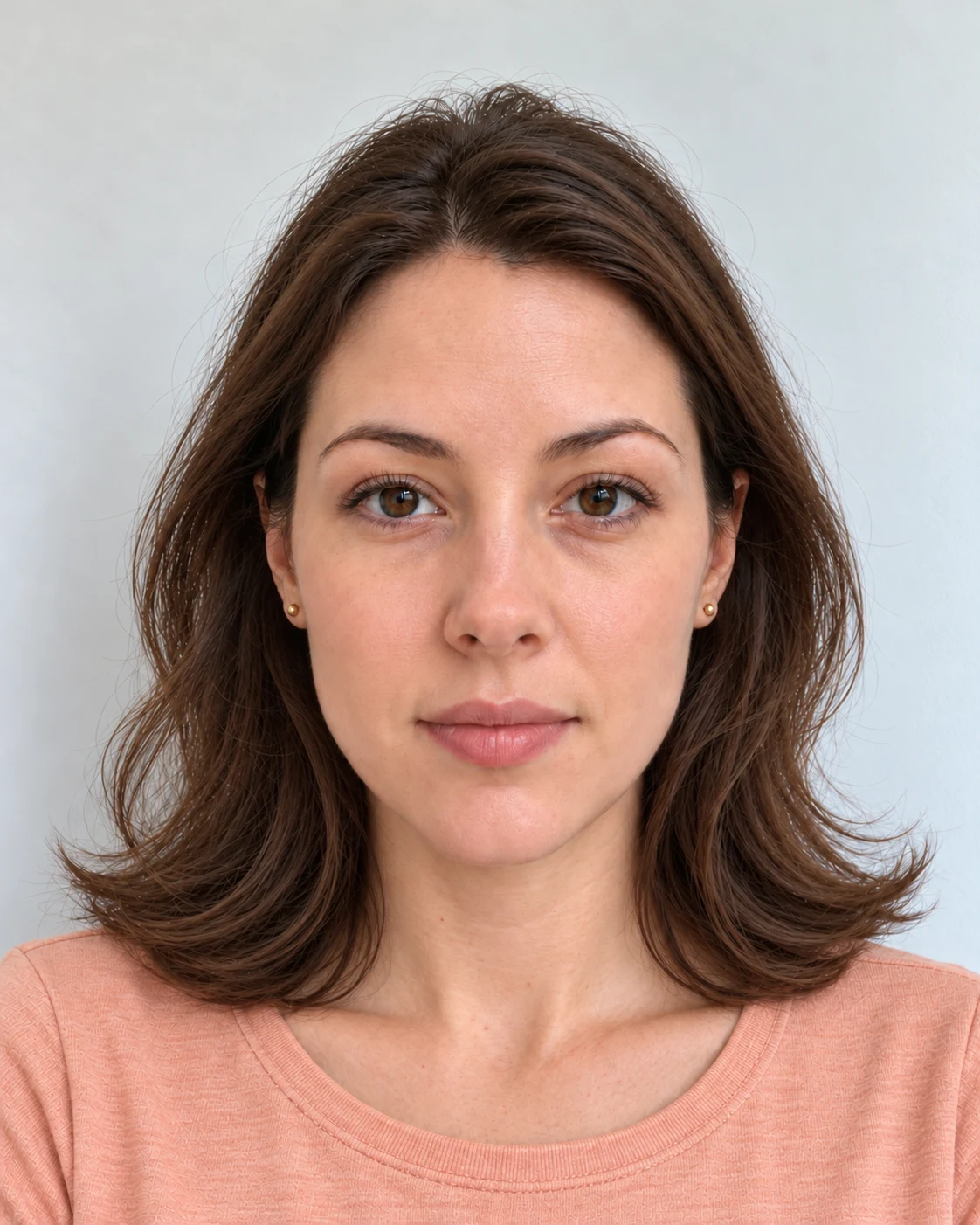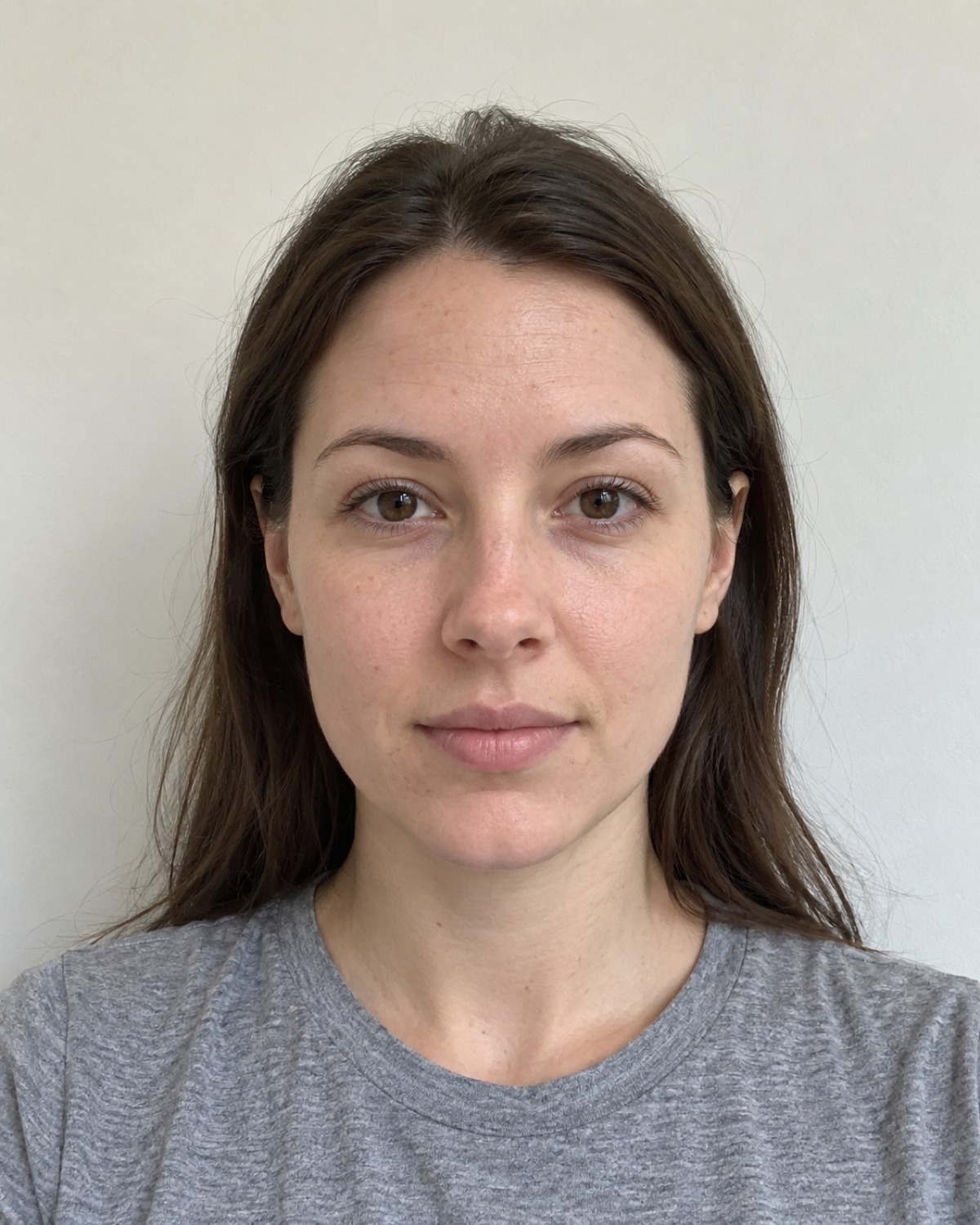
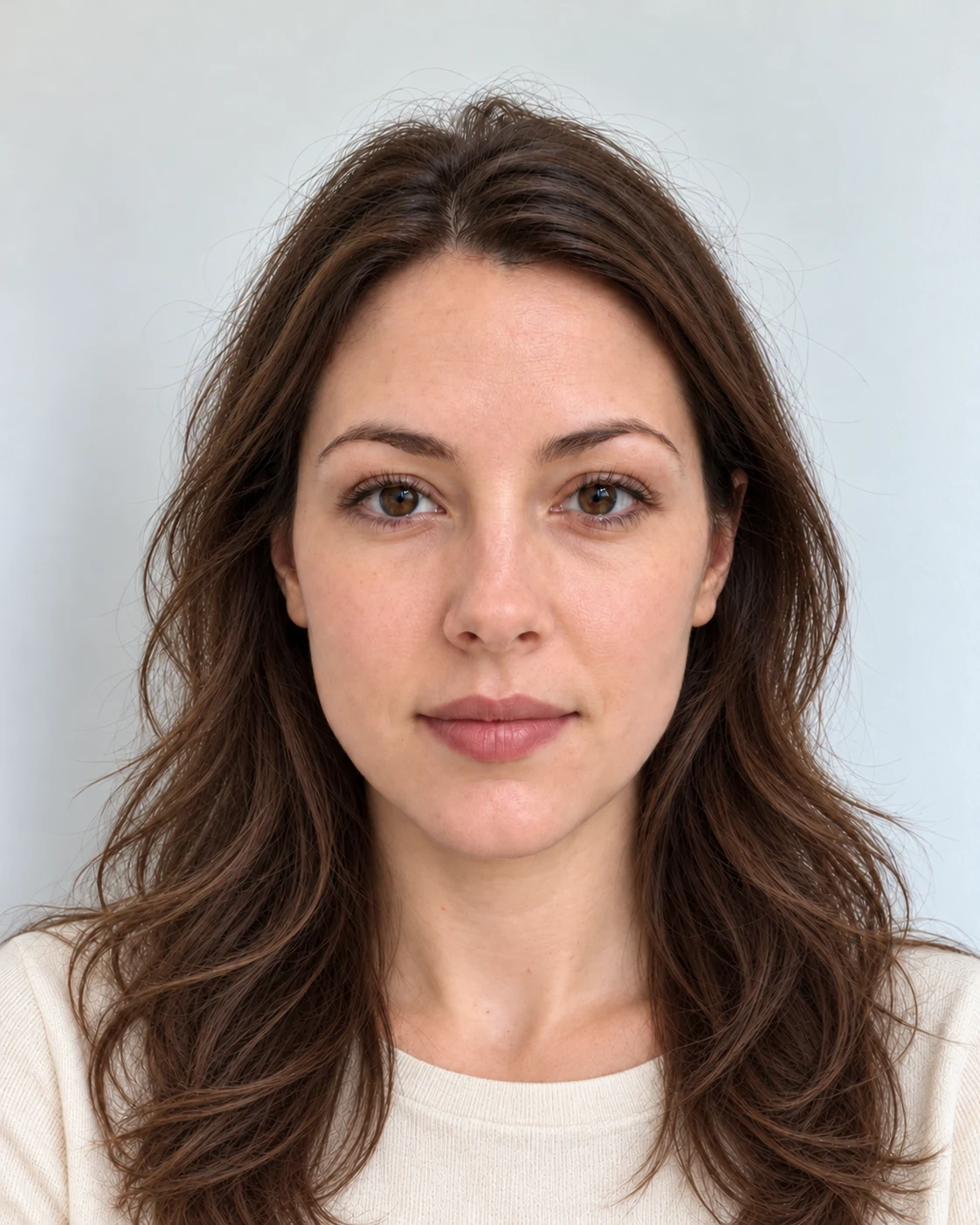
Demonstration report

A complete report, from photo to plan

See the measured proportions, six hairstyle previews, colors and a 4-week plan in one completed report.

Demonstration photo and report. Your report uses your own photo and measurements.

Create my full report — $9.90 once

One-time payment · No subscription

Your face, in detail

A clearer picture of you.

PSL score

6.8/8

Estimated potential (PSL)

7.7/8

Your photoLoading image…
Your original photoUnaltered
Hairstyle preview: Long Layers with Face-FramingLoading image…
Long Layers with Face-FramingAI hairstyle preview

Your eye-corner symmetry is a feature to preserve. Your lower face tapers gently; fuller hair framing is an option if you like that look. Start by comparing long layers with the wavy lob, then choose by length, side volume and the styling effort you would accept.

Potential is an estimate on the PSL scale, not a promised result. Previews illustrate cosmetic styling options; all measurements come from your original photo.

At a glance

Strongest
Your eye corners are closely balanced in this photo.
Focus
Choose your face-framing direction

How to read this report

PSL scores use an 8-point scale. Reference position is a separate 0–100 scale comparing how typical or symmetric each measurement is within the reference group; it is not an overall attractiveness percentile. Measured values are raw ratios, normalized distances or angles (°). The shaded band shows the middle half of the reference group; the dark marker is this photo. A front photo cannot measure nose projection, bridge depth or a side-profile jaw.

Overview

Symmetry 87Proportion 25Thirds 49Fifths 29Eyes 64Jaw 43

Reference-group position · 0–100

The comparison behind the numbers

Compared with real-face reference samples to show where your facial proportions sit.

Each spoke combines reference positions for one part of facial balance. The outline is a guide to the measurements below. It is not a target face shape.

Your face, mirrored

When face alignment is available, each image reflects one half of your face across an axis between your eyes, perpendicular to the eye line. Otherwise, the center of the photo is used. This visual comparison does not straighten your head; pose, expression and light affect what you see.

Left half, reflected
Right half, reflected

The original photo, up close

Original photo crop: ProportionsLoading image…

Original photo crop · approximate framing

The original photo, up close

Original photo crop: ProportionsLoading image…

Original photo crop · approximate framing

Showing on your photo: Face Width-Height Ratio

Proportions

Your face is relatively narrow for its height. If you want to explore a fuller outline, start with the amount of hair beside the cheeks and jaw. Compare keeping the long layers with moving to a shorter wavy perimeter. Both work around your natural proportions; preference and upkeep decide which is worth trying.

  • Face Width-Height Ratio0.801
    Typical range: 0.826 – 0.898Position: 25/100
  • Lower Third Proportion0.387
    Typical range: 0.392 – 0.441Position: 41/100
  • Upper Third Proportion0.256
    Typical range: 0.228 – 0.26Position: 57/100
Show 1 more measurements
  • Midface Proportion0.357
    Typical range: 0.327 – 0.356Position: 48/100
  • Midface Proportion0.357
    Typical range: 0.327 – 0.356Position: 48/100

The original photo, up close

Original photo crop: Eyes & BrowsLoading image…

Original photo crop · approximate framing

Showing on your photo: Eye Corner Symmetry

Eyes & Brows

Your eye corners and brows are closely balanced in this photo. Preserve that natural framing while comparing the hair options. This is a specific symmetry strength, rather than a verdict on every eye measurement; it does not call for another task in your styling plan.

  • Eye Corner Symmetry0.001
    Typical range: -0.004 – 0.004Position: 99/100
  • Brow Symmetry0.003
    Typical range: -0.016 – 0.016Position: 95/100
  • Eye Size Symmetry0.019
    Typical range: -0.067 – 0.067Position: 86/100
Show 5 more measurements
  • Eye Height-Width Ratio0.345
    Typical range: 0.245 – 0.334Position: 39/100
  • Brow-to-Eye Gap0.96
    Typical range: 0.923 – 1.026Position: 83/100
  • Eye Separation0.461
    Typical range: 0.426 – 0.456Position: 38/100
  • Eye Tilt (Canthal)6.989°
    No reference band for this measurePosition: 76/100
  • Eye Width Proportion0.211
    Typical range: 0.184 – 0.201Position: 19/100

The original photo, up close

Original photo crop: NoseLoading image…

Original photo crop · approximate framing

Showing on your photo: Nostril Symmetry

Nose

Your nostril alignment is closely balanced. The nose-to-mouth relationship is another measurement of this photo, rather than a reason to add a separate change. A front photo does not establish bridge depth or projection, so those features are left unscored.

  • Nostril Symmetry0.007
    Typical range: -0.025 – 0.025Position: 87/100
  • Nose-Mouth Proportion0.71
    Typical range: 0.615 – 0.719Position: 58/100
Show 2 more measurements
  • Nose ProjectionNot scored from a front photo
  • Nose BridgeNot scored from a front photo
  • Nose ProjectionNot scored from a front photo
  • Nose BridgeNot scored from a front photo

The original photo, up close

Original photo crop: LipsLoading image…

Original photo crop · approximate framing

Showing on your photo: Mouth Corner Symmetry

Lips

Your mouth width and corner alignment describe the proportions shown here. Keep your usual lip styling while comparing the hair silhouettes so you can judge that choice clearly. There is no separate lip-focused action needed for the main framing goal.

  • Mouth Corner Symmetry0.013
    Typical range: -0.018 – 0.018Position: 68/100
  • Mouth-Width Balance0.38
    Typical range: 0.371 – 0.469Position: 59/100

The original photo, up close

Original photo crop: Jaw & ChinLoading image…

Original photo crop · approximate framing

Showing on your photo: Jaw-to-Cheek Width

Jaw & Chin

Your jaw is relatively narrower than your cheeks, creating a taper toward the chin. Jaw symmetry is a separate strength. If you prefer a fuller-looking frame around the lower face, compare how the long layers and wavy lob place hair beside it. The choice is the framing you like, rather than changing your jaw.

  • Jaw-to-Cheek Width0.767
    Typical range: 0.789 – 0.827Position: 14/100
  • Jaw Symmetry0.017
    Typical range: -0.047 – 0.047Position: 84/100
  • Chin Width Proportion0.173
    Typical range: 0.177 – 0.195Position: 31/100
Show 2 more measurements
  • Chin Alignment0.008
    Typical range: -0.012 – 0.012Position: 65/100
  • Jawline Curvature110.357°
    Typical range: 99.996 – 112.045°Position: 63/100
  • Chin Alignment0.008
    Typical range: -0.012 – 0.012Position: 65/100
  • Jawline Curvature110.357°
    Typical range: 99.996 – 112.045°Position: 63/100

Skin

The photo shows mostly smooth skin with visible pores, some scattered marks, slight tone variation and mild under-eye shadow. For the cosmetic look shown in the previews, compare light, targeted coverage with your usual finish. Judge it in the same lighting: the aim is a finish you like while keeping your natural texture and recognizable features.

These observations describe the visible photo. Lighting and camera processing can change the appearance of texture and tone.

Original photo crop showing skin textureLoading image…
Original photo crop · approximate framing

Skincare order

Morning

  1. Keep the routine and products you already tolerate.
  2. If you want cosmetic coverage, compare light application on visible tone variation with your usual finish in the same lighting.

Evening

  1. Remove cosmetic products following their directions and keep your usual routine.

Hairstyles

These AI previews visualize hair, complexion, makeup and clothing changes. Styling, highlights and shadows can change how contours appear. AI may also introduce facial differences; use your original photo for measured proportions. Real styling results will vary.

Long Layers with Face-FramingLoading image…

Long Layers with Face-Framing

Consider this if: You want to keep long hair with broad, flowing movement.

Long layers keep the length below the collarbones, with broad bends beside the cheeks and jaw. Compare this flowing outline with the shorter perimeter of the wavy lob.

Styling time
20-30 minutes
Cut every
8-10 weeks
Your cut, in detailLength · Bangs · Forehead coverage · Parting · Side volume · Crown · Layers · Ends · Texture and styling
Length
Below the collarbones, reaching the upper chest.
Bangs
No bangs, but face-framing layers start at the cheekbones.
Forehead coverage
Forehead open, with face-framing bends beside the cheeks.
Parting
Centre part.
Side volume
Soft, sweeping layers around the cheekbones and jawline, adding width.
Crown
Natural height at the crown, no excessive lift.
Layers
Long, soft layers starting at the cheekbones and continuing through the ends.
Ends
Slightly feathered ends, turning outward or straight.
Texture and styling
Soft, broad bends adding horizontal fullness beside the cheeks and jaw.
Upkeep
Regular trims every 8-10 weeks to maintain layers. Daily styling with a flat iron or large barrel curling iron for movement.
Trade-off
Requires daily heat styling to achieve the desired sleekness and movement.
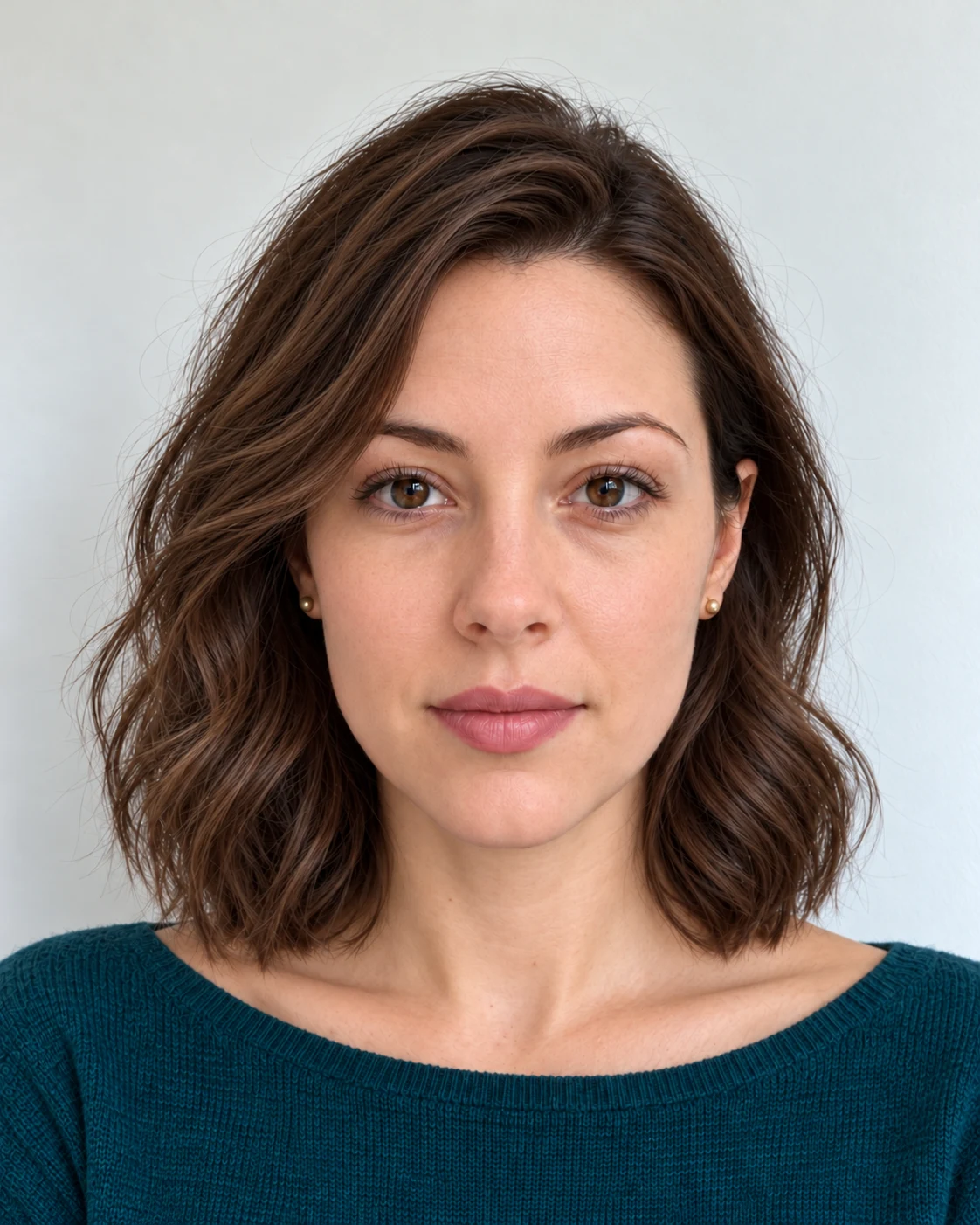
Wavy Lob with Side PartLoading image…

Wavy Lob with Side Part

Consider this if: You prefer a shorter cut and will style the waves.

The chin-to-collarbone perimeter concentrates the waves closer to the cheeks and jaw. This gives you a shorter, more defined frame to compare with keeping the long layers.

Styling time
15-25 minutes
Cut every
6-8 weeks
Your cut, in detailLength · Bangs · Forehead coverage · Parting · Side volume · Crown · Layers · Ends · Texture and styling
Length
Between the chin and collarbone.
Bangs
No bangs, but the side-parted hair sweeps across the forehead.
Forehead coverage
Partially covered by the sweeping side part, with some forehead visible.
Parting
Deep side part.
Side volume
Voluminous waves around the cheekbones and jawline, creating width.
Crown
Natural low crown, without added height.
Layers
Subtle, internal layers to encourage wave formation and movement.
Ends
Blunt cut ends, styled with a soft wave.
Texture and styling
Styled with a curling wand or sea salt spray to enhance natural texture and create soft waves.
Upkeep
Trims every 6-8 weeks. Daily styling to create waves and maintain volume.
Trade-off
Requires daily styling to achieve and maintain the wavy texture and volume.
Curtain Bangs with Long HairLoading image…

Curtain Bangs with Long Hair

Consider this if: You want long hair with a split fringe and regular bang trims.

Centre-split bangs introduce forehead framing while keeping the long lengths. Compare this if you want both an open centre and softer coverage at the sides of the forehead.

Styling time
10-15 minutes (mostly for bangs)
Cut every
10-12 weeks (hair), 3-4 weeks (bangs)
Your cut, in detailLength · Bangs · Forehead coverage · Parting · Side volume · Crown · Layers · Ends · Texture and styling
Length
Long, below the shoulders.
Bangs
Centre-split curtain bangs, shortest pieces near the brows, lengthening toward the cheekbones.
Forehead coverage
Forehead partially covered by the curtain bangs, with the center visible.
Parting
Centre part, extending into the curtain bangs.
Side volume
Soft width beside the temples, cheekbones and jaw.
Crown
Natural height.
Layers
Long, subtle layers throughout the length to add movement.
Ends
Straight or slightly turned inward.
Texture and styling
Soft, broad bends through the long layers.
Upkeep
Bang trims every 3-4 weeks. Hair trims every 10-12 weeks. Daily styling for bangs.
Trade-off
Requires frequent bang trims and daily styling to keep them in place.
Shag with Wispy BangsLoading image…

Shag with Wispy Bangs

Consider this if: You like piecey texture and a lighter fringe.

Wispy bangs and choppy layers make a broken, textured outline around the face. This is a less polished alternative to broad long layers and calls for accepting a fringe.

Styling time
10-15 minutes
Cut every
6-8 weeks
Your cut, in detailLength · Bangs · Forehead coverage · Parting · Side volume · Crown · Layers · Ends · Texture and styling
Length
Medium length, reaching the collarbone.
Bangs
Wispy bangs, falling just above the eyebrows, with fine strands crossing the forehead.
Forehead coverage
Forehead partially covered by the wispy bangs, with some skin visible through the strands.
Parting
No defined part, or a soft centre part.
Side volume
Layered and textured around the cheekbones and jawline, creating soft volume.
Crown
Natural low crown, with texture concentrated beside the cheeks and jaw.
Layers
Pronounced, choppy layers throughout the hair, starting around the cheekbones.
Ends
Textured and slightly flicked out.
Texture and styling
Styled with texturizing spray to enhance natural texture and create a lived-in, effortless look.
Upkeep
Trims every 6-8 weeks to maintain layers and bangs. Minimal daily styling.
Trade-off
May require specific products to enhance texture and prevent frizz.
Low Ponytail with Side-Swept BangsLoading image…

Low Ponytail with Side-Swept Bangs

Consider this if: You often tie your hair back and want loose framing pieces.

Gathering hair low keeps the crown smooth while loose cheek-length pieces frame the face. This lets you compare a tied-back option with the fuller worn-down styles.

Styling time
15-20 minutes
Cut every
10-12 weeks (hair), 4-6 weeks (bangs)
Your cut, in detailLength · Bangs · Forehead coverage · Parting · Side volume · Crown · Layers · Ends · Texture and styling
Length
Gathered into a low ponytail at the nape.
Bangs
Soft side-swept bangs reaching the cheekbones, with loose face-framing pieces.
Forehead coverage
Partially covered by a soft diagonal fringe.
Parting
Deep side part, leading into the side-swept bangs.
Side volume
Soft and relaxed at the temples, with loose cheek-length pieces; not tightly pulled back.
Crown
Sleek and smooth, with no added height.
Layers
Face-framing layers remain loose beside the cheeks.
Ends
Ponytail ends are straight.
Texture and styling
Smooth, softly gathered hair with natural movement; no tight slicked-back finish.
Upkeep
Regular trims for the bangs every 4-6 weeks. Hair trims every 10-12 weeks.
Trade-off
Face-framing pieces and bangs need daily adjustment to keep the shape soft.
Voluminous Blowout with Flipped EndsLoading image…

Voluminous Blowout with Flipped Ends

Consider this if: You enjoy a polished blowout and will spend time styling the ends.

Brushed side curves and outward ends put a polished sweep around the cheeks and shoulders. Compare this lower placement of volume with the shorter waves of the lob.

Styling time
30-45 minutes
Cut every
8-10 weeks
Your cut, in detailLength · Bangs · Forehead coverage · Parting · Side volume · Crown · Layers · Ends · Texture and styling
Length
Medium to long, reaching the collarbone or slightly below.
Bangs
No bangs, hair swept back from the face.
Forehead coverage
Forehead remains open.
Parting
Off-centre part.
Side volume
Full and voluminous, with hair sweeping away from the face and adding width around the cheekbones and jaw.
Crown
Natural low crown, with no added height.
Layers
Long, soft layers starting below the chin to encourage volume and movement.
Ends
Flipped outward, creating a playful and voluminous finish.
Texture and styling
Broad brushed curves beside the cheeks and jaw, with ends flipped outward at the shoulders.
Upkeep
Trims every 8-10 weeks. Requires daily blow-drying and styling for volume.
Trade-off
Time-consuming daily styling to achieve and maintain the voluminous look.

Your action plan

  1. 1

    Choose your face-framing direction

    Your lower face tapers relative to your cheeks. If you prefer fuller framing, compare side volume and length together to choose a style that fits your preferred look and daily routine.

    • Compare the long layers and wavy lob. Name which length and distribution of side volume you prefer.
    • With your current hair, try a smoother finish and gentle side volume before cutting. Compare photos taken with the same angle, light and expression.
    • If you like one direction, take its preview and cut details to a stylist. Discuss the daily styling you are willing to do before choosing the cut.

    A reversible comparison helps you choose before spending on a cut.

    How often
    Compare before booking a cut; repeat if undecided.
    First signal
    When you can choose an outline and explain what you prefer.
    Effort
    Low for comparing; daily effort depends on the chosen style.
    Cost
    No purchase needed to compare the previews.
    Confidence
    The measured proportions support the framing comparison; your preferred look remains personal.

    What to look for: You can pick a silhouette you like and explain how its daily upkeep fits your routine.

    Why this suggestion
    • Face Width-Height Ratio
    • Chin Width Proportion
    • Jaw-to-Cheek Width

Eyewear

If you wear glasses, compare a broader-looking frame with your usual pair while keeping the same hairstyle. Choose by comfort and the outline you prefer; a photo alone does not determine frame fit.

Coloring

The photo suggests warm, muted coloring. Use the swatches as a starting point: compare olive or cream near your face in daylight and keep what you prefer. Camera color balance can affect this estimate.

Colors that work

  • olive green
  • warm browns
  • deep teal
  • soft peach
  • cream

Colors to skip

  • bright fuchsia
  • icy blue
  • pure white
  • black
  • neon yellow

The next 72 hours

  1. Compare the long layers with the wavy lob, focusing on length and side fullness.
  2. Try a smoother finish and gentle side volume with your current hair in matched lighting.
  3. Keep the outline you prefer and note how much daily upkeep you would accept.

The next 4 weeks

  1. Keep the framing option that fits your daily routine, or keep your current style if neither appeals.
  2. If you choose a cut, review comfort, styling effort and your own preference after trying it. Use the same photo conditions if you compare the outline again.

Our promise

  • Measured values come from your photo. Styling and skin observations are interpretations of that photo.
  • We only suggest grooming, hair, skincare, styling, eyewear and photo habits.
  • We never suggest surgery, fillers or injections.
  • We never compare people by race or ethnicity.
  • You can delete this report and your photo at any time.

See what works for your own face.

Start with one clear, front-facing photo. Get your own measurements, styling options and next steps.

Create my full report — $9.90 once